Starting an e-commerce business has become an attractive opportunity for aspiring entrepreneurs in India. With increasing internet usage, digital payments and online shopping, individuals can sell products to customers without opening a physical retail store. However, one of the first decisions new sellers must make is whether to choose dropshipping or inventory-based e-commerce.
Both models allow businesses to sell products online, but they differ in how products are purchased, stored, packed and delivered. Dropshipping allows sellers to accept orders without keeping products in stock, while inventory-based e-commerce requires businesses to purchase and store products before selling them.
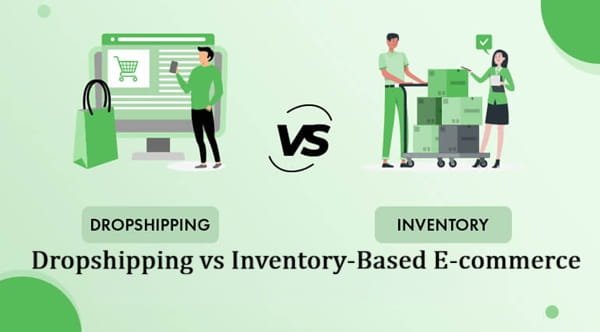
For beginners, dropshipping may appear easier because it requires less initial investment. Inventory-based e-commerce, on the other hand, provides greater control over product quality, packaging and delivery. Understanding their differences can help entrepreneurs select a suitable model based on their budget, experience and business goals.
What Is Dropshipping?
Dropshipping is an e-commerce business model in which the seller does not maintain physical inventory. Instead, when a customer places an order, the seller forwards the order details to a supplier or manufacturer, who packs and ships the product directly to the customer.
The seller earns money from the difference between the selling price and the supplier’s price, after accounting for marketing, payment processing and other expenses.
For example, an entrepreneur creates an online store selling mobile accessories. When a customer orders a phone cover, the entrepreneur purchases it from a supplier who ships it directly to the customer.
Common dropshipping product categories include:
- Mobile accessories
- Home décor products
- Fashion accessories
- Kitchen products
- Fitness accessories
- Personal care accessories
The main advantage of dropshipping is that sellers do not need to invest heavily in purchasing inventory before generating sales.
What Is Inventory-Based E-commerce?
Inventory-based e-commerce is a business model in which sellers purchase products in advance, store them and fulfil customer orders from their own warehouse or storage facility.
The seller is responsible for managing stock, packaging, order processing and delivery arrangements.
For example, an entrepreneur selling clothing through an online store may purchase 200 pieces from a manufacturer, store them and ship individual orders whenever customers make purchases.
Popular inventory-based e-commerce categories include:
- Clothing and footwear
- Electronics and accessories
- Beauty products
- Home appliances
- Grocery products
- Furniture and household items
This model requires greater upfront investment, but it allows sellers to control product quality, inventory availability and packaging.
Dropshipping vs Inventory-Based E-commerce: Key Differences
| Basis | Dropshipping | Inventory-Based E-commerce |
| Initial investment | Generally low | Generally higher |
| Inventory ownership | Supplier usually holds stock | Seller purchases and owns stock |
| Storage | Not required by the seller | Required |
| Order fulfilment | Supplier ships products | Seller or fulfilment partner ships |
| Product quality control | Limited | Greater control |
| Packaging | Usually managed by supplier | Managed by seller or fulfilment partner |
| Profit margins | Can be lower due to supplier costs | Potentially higher through bulk purchasing |
| Delivery control | Depends on supplier | Greater control over fulfilment |
| Unsold inventory risk | Lower | Higher |
| Business scalability | Depends on supplier capacity | Depends on stock and fulfilment capacity |
Initial Investment and Startup Costs
Investment is one of the biggest reasons beginners consider dropshipping.
A dropshipping business generally requires an e-commerce website or marketplace account, domain registration where applicable, product listings, payment integration and marketing expenses. Since the seller does not purchase inventory in advance, initial stock investment can be avoided.
However, dropshipping is not completely free. Entrepreneurs may need to spend money on advertising, website maintenance, supplier samples, payment processing and customer support.
Inventory-based e-commerce requires additional capital to purchase products before selling them. Other expenses may include warehouse rent, packaging materials, storage, insurance and inventory management systems.
Which is better? Dropshipping is generally more accessible for beginners with limited capital. Inventory-based e-commerce may be more suitable for entrepreneurs who can afford bulk purchases and want greater operational control.
Profit Margins and Earning Potential
Dropshipping suppliers usually charge sellers a higher per-unit price because they handle storage and fulfilment. This can reduce the seller’s profit margin.
For example, if a supplier charges ₹500 for a product and the seller lists it for ₹700, the difference is ₹200 before advertising, payment fees, returns and other expenses.
Inventory-based sellers may purchase products in bulk at lower wholesale prices. This can improve profit margins, particularly when demand is consistent.
However, buying large quantities also creates financial risks. Unsold products, damaged stock and changing market trends can reduce profitability.
Neither model guarantees higher earnings. Actual profits depend on product demand, pricing, supplier costs, marketing expenses and customer retention.
Product Quality and Customer Experience
Product quality is particularly important in e-commerce because customers cannot physically inspect products before purchasing.
In dropshipping, suppliers generally control product storage, packaging and dispatch. If the supplier delivers defective products or uses poor packaging, the seller may face customer complaints even though the seller did not handle the product.
Inventory-based sellers can inspect products before dispatching orders. They can also use customised packaging, quality checks and branding materials to improve the customer experience.
Therefore, inventory-based e-commerce offers greater control over product quality and presentation.
Delivery Time and Return Management
Dropshipping delivery depends heavily on the supplier’s location, shipping arrangements and order-processing speed. If the supplier is located outside India, delivery may take longer and involve additional customs and import-related requirements.
Inventory-based sellers can store products closer to their customers and arrange faster shipping through courier companies or third-party logistics providers.
Returns can also be more complicated in dropshipping because products may need to be sent back to the supplier. Inventory-based sellers generally have more control over return inspection, replacement and restocking.
For Indian customers, reliable delivery and convenient returns can significantly influence purchasing decisions.
Risk and Business Management
Dropshipping reduces the risk of holding unsold inventory because sellers generally purchase products after receiving customer orders. However, it creates dependency on suppliers.
If a supplier runs out of stock, changes prices or delays shipments, the seller’s business may suffer.
Inventory-based e-commerce involves the risk of purchasing products that may not sell. Entrepreneurs must forecast demand and manage stock carefully to avoid unnecessary storage costs and blocked capital.
Both models also involve risks relating to competition, advertising costs, payment disputes and customer complaints.
Which Is Better for Beginners in India?
Dropshipping may be suitable if you:
- Have limited startup capital.
- Want to test different product categories.
- Do not want to manage a warehouse.
- Have skills in digital marketing.
- Can identify reliable domestic suppliers.
Inventory-based e-commerce may be suitable if you:
- Have sufficient funds for purchasing stock.
- Want greater control over product quality.
- Prefer managing packaging and delivery.
- Want to build a private-label brand.
- Have identified products with consistent customer demand.
For beginners, starting with a small inventory of carefully selected products can also be a practical alternative to purchasing large quantities.
Conclusion
Dropshipping and inventory-based e-commerce both offer opportunities for entrepreneurs in India, but they suit different business requirements. Dropshipping allows beginners to enter online selling with comparatively low initial investment and without managing physical inventory. However, it involves greater dependence on suppliers and limited control over delivery and product quality.
Inventory-based e-commerce requires more capital and operational planning, but it provides greater control over stock, packaging, quality and customer experience.
For beginners who want to test the market with limited financial resources, dropshipping may be a practical starting point. Entrepreneurs who want to build a long-term brand and have sufficient capital may find inventory-based e-commerce more suitable.
Ultimately, the right choice depends on your budget, product selection, supplier reliability and ability to manage customer expectations.
Frequently Asked Questions (FAQs)
Q. Is dropshipping better than inventory-based e-commerce?
Dropshipping is generally easier to start because it requires less upfront inventory investment. Inventory-based e-commerce offers greater control over product quality, packaging and delivery.
Q. Can I start dropshipping in India with ₹10,000?
It may be possible to test a small dropshipping business with ₹10,000, particularly through low-cost platforms and domestic suppliers. However, website, advertising and other expenses can increase the required budget.
Q. Is dropshipping legal in India?
Yes. Dropshipping is generally a permitted business model in India, provided sellers comply with applicable GST, consumer protection, product safety, import and other relevant laws.
Q. Which model offers higher profit margins?
Inventory-based e-commerce may offer better margins through bulk purchasing. However, storage, unsold stock and fulfilment costs must be considered when calculating actual profitability.
Q. Do dropshipping businesses need GST registration?
GST registration requirements depend on applicable turnover thresholds, the nature of supplies, interstate transactions and other provisions. Entrepreneurs should evaluate their specific business arrangements before starting operations.
Q. Can I switch from dropshipping to inventory-based e-commerce later?
Yes. Many entrepreneurs begin with dropshipping to test product demand and later purchase inventory for their best-selling products. This can help improve delivery control and build a stronger brand.