Starting a new business involves choosing the right sales channel to reach customers and generate revenue. Entrepreneurs traditionally opened physical shops to sell products directly to consumers. However, the growth of e-commerce, digital payments and online marketplaces has made it possible to start a business without renting a physical retail space. As a result, choosing between an offline store and an online store has become an important decision for new business owners.
An offline store allows customers to visit a physical location, examine products and purchase them directly. An online store enables customers to browse and order products through a website, mobile application or e-commerce marketplace. Both models offer different advantages, investment requirements and challenges.
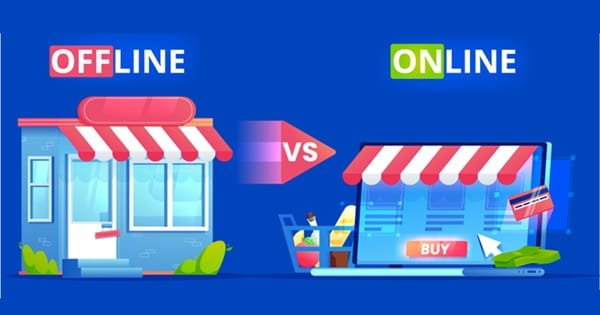
For beginners, an online store may appear more affordable and flexible, while an offline store can provide direct customer interaction and a stronger local presence. The better option depends on the type of products, target audience, available investment and business objectives.
What Is an Offline Store?
An offline store is a physical retail outlet where customers visit to purchase products or services. It can operate from a shop, showroom, supermarket, shopping complex or commercial establishment.
Customers can physically inspect products, compare options, ask questions and complete purchases at the store.
Examples of offline businesses include:
- Grocery stores and supermarkets
- Clothing and footwear shops
- Electronics showrooms
- Beauty and cosmetics stores
- Furniture and home decor shops
- Restaurants and cafes
Offline businesses generally depend on location, customer footfall, product availability and personal service. A well-located store can attract regular customers and build trust within the local community.
What Is an Online Store?
An online store is a digital platform through which businesses display and sell products or services over the internet. Customers can browse product listings, compare prices, place orders and make payments without visiting a physical shop.
An online store can operate through a dedicated e-commerce website, mobile application or marketplace such as Amazon and Flipkart.
Common online business categories include:
- Clothing and fashion products
- Electronics and accessories
- Beauty and personal care products
- Home and kitchen products
- Books and stationery
- Handmade and customised products
Online stores allow businesses to reach customers beyond their immediate geographical area. They can also operate with different business models, including inventory-based selling, dropshipping and direct-to-consumer sales.
Offline Store vs Online Store: Key Differences
| Basis | Offline Store | Online Store |
| Business location | Requires a physical location | Operates through digital platforms |
| Initial investment | Generally higher | Can be comparatively lower |
| Customer reach | Mainly local or regional | Potentially national or international |
| Operating hours | Depends on store timings | Orders can be placed at any time |
| Customer interaction | Face-to-face | Digital communication |
| Product inspection | Customers can examine products physically | Customers depend on images and descriptions |
| Operating expenses | Rent, electricity and staff | Platform, technology and marketing costs |
| Delivery | Usually immediate after purchase | Requires shipping or delivery |
| Marketing | Local advertising and promotions | Digital marketing and online advertising |
| Expansion | May require additional locations | Can expand through digital infrastructure |
Initial Investment and Operating Costs
Investment is one of the most important factors when starting a new business.
An offline store generally requires money for shop rent or purchase, security deposits, interiors, furniture, display shelves, billing equipment, inventory and employee salaries. The cost can increase significantly in commercial areas with high rental rates.
An online store can often be launched with a smaller initial investment. Entrepreneurs may need a domain, website, e-commerce platform, product photography, payment gateway and initial inventory. Selling through an established marketplace can reduce the need to develop a complete website initially, although marketplace fees and other charges may apply.
However, online businesses are not completely cost-free. Expenses can include digital advertising, website maintenance, packaging, shipping, returns and marketplace commissions.
Which is better? An online store is generally more affordable to start, particularly for entrepreneurs testing a new product or business idea.
Customer Reach and Market Opportunities
Offline stores usually serve customers within a particular neighbourhood, city or region. Their success depends on location, visibility, accessibility and local demand.
Online stores have a wider potential customer base. A business operating from a small town can sell products to customers in different Indian states, provided it can manage shipping, payments and customer support.
This wider reach creates growth opportunities, but it also increases competition. Online businesses may compete with established brands and sellers offering similar products at lower prices.
Customer Experience and Trust
Offline stores offer a major advantage through physical interaction. Customers can touch, examine and try products before purchasing them. This is particularly important for clothing, footwear, furniture and certain electronic products.
Customers can also communicate directly with store employees and receive immediate assistance.
Online stores provide convenience by allowing customers to shop from home. Product photographs, videos, reviews, descriptions and return policies help customers make purchasing decisions. However, customers cannot physically inspect products before delivery.
New online businesses must build trust through accurate product information, secure payment options, transparent policies and responsive customer service.
Marketing and Customer Acquisition
Offline stores commonly attract customers through attractive displays, local advertising, signboards, promotional offers and word-of-mouth recommendations.
Online stores generally depend on digital marketing methods such as search engine optimisation, social media marketing, paid advertisements, email campaigns and influencer collaborations.
Online marketing can reach a large audience, but acquiring customers may become expensive in competitive product categories. Offline businesses also need marketing, particularly when entering a crowded market or launching a new store.
The most effective strategy depends on where the target customers spend their time and how they prefer to purchase products.
Inventory and Delivery Management
Offline stores generally maintain inventory at their physical locations. Customers can usually take purchased products home immediately, reducing delivery-related complications.
Online stores need an organised order fulfilment system. Businesses must manage packaging, shipping partners, delivery tracking, returns and refunds.
Inventory planning is important for both models. However, online sellers may need to coordinate stock across multiple sales channels and ensure that product availability is updated correctly.
Which Is Better for a New Business?
An online store may be a better choice if you:
- Have limited initial investment.
- Want to reach customers across different locations.
- Are comfortable using digital platforms.
- Want to test product demand before expanding.
- Can manage packaging, shipping and online customer support.
An offline store may be more suitable if you:
- Want to serve customers in a specific neighbourhood.
- Sell products that customers prefer to inspect physically.
- Have access to a suitable commercial location.
- Can manage rent, employees and store operations.
- Want to build direct relationships with local customers.
For many entrepreneurs, a combination of both models can be effective. They can operate a physical shop while accepting online orders through a website, marketplace or social media channels. This approach is commonly known as an omnichannel business model.
Conclusion
Both offline and online stores offer valuable opportunities for new entrepreneurs, but they differ in investment, customer reach, operating expenses and business management.
An offline store provides physical product inspection, personal interaction and immediate purchases. However, it generally requires higher investment in rent, interiors, inventory and staffing.
An online store offers wider market access, flexible operations and comparatively lower entry costs. However, businesses must manage digital marketing, competition, shipping and customer trust.
If you have limited capital and want to test a business idea, starting online may be more practical. If your products require physical inspection or you have strong local demand, an offline store may be a better choice. Entrepreneurs with sufficient resources can also combine both models to serve customers through multiple channels.
Ultimately, the right option depends on your product category, target audience, investment capacity and long-term business goals.
Frequently Asked Questions (FAQs)
Q. Is an online store more profitable than an offline store?
An online store can reach a wider customer base and may have lower fixed costs. However, advertising, shipping, marketplace fees and returns can reduce profits. An offline store may benefit from local demand and repeat customers. Profitability depends on the business model and cost management.
Q. How much investment is required to start an online store in India?
Investment depends on the product category, website requirements, inventory, marketing and fulfilment arrangements. A small business selling through an existing marketplace may start with less investment than one developing a customised e-commerce website.
Q. Which business is easier to manage for beginners?
An online store may be easier to launch because it does not require a physical retail location. However, beginners must understand digital marketing, order processing and delivery management. A small offline store may be easier for entrepreneurs familiar with local retail operations.
Q. Can I operate an online and offline store together?
Yes. Businesses can sell through a physical shop, website, social media and online marketplaces. This approach helps reach different customer groups, but requires coordinated inventory and order management.
Q. Do online stores need GST registration in India?
GST requirements depend on the business’s turnover, product category, sales channel and applicable provisions or exemptions. Sellers using e-commerce platforms should check the specific GST rules applicable to their transactions before starting operations.
Q. Which products are better suited for online stores?
Clothing, accessories, books, electronics accessories, beauty products and home decor can be suitable for online selling. The best category depends on customer demand, competition, shipping costs and the ability to maintain product quality.