A few decades ago, gyms in India were mainly small bodybuilding centers visited mostly by athletes and fitness enthusiasts. Fitness was often associated only with weightlifting or professional sports training.
Today, the fitness industry has changed completely.
Urban lifestyles, rising health awareness, social-media fitness culture, celebrity influence, body-transformation trends, and growing concerns about obesity and lifestyle diseases have transformed gyms into one of India’s fastest-growing lifestyle businesses.
From weight-loss programs and strength training to yoga, CrossFit, personal training, Zumba, and premium fitness clubs, gyms are now part of mainstream urban life. At the same time, younger consumers increasingly spend on fitness memberships, supplements, workout apparel, and wellness services.
This has transformed the gym industry into one of India’s strongest health-and-lifestyle business opportunities.
Unlike many seasonal businesses, gyms benefit from recurring monthly membership income and long-term customer engagement.
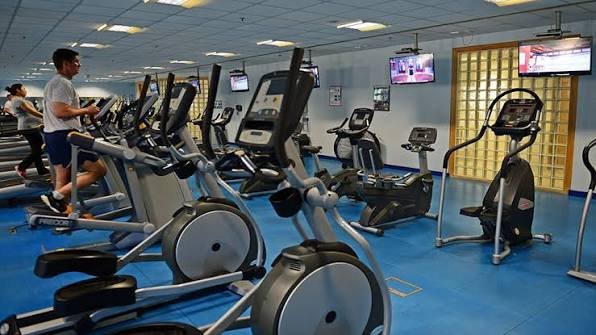
A Business Connected to Health and Lifestyle Awareness
India’s fitness and wellness industry continues expanding rapidly every year.
Several factors continue driving gym demand:
- Rising health consciousness
- Growth of fitness influencers and social media
- Increasing obesity and lifestyle-health concerns
- Expansion of urban middle-class population
- Celebrity and transformation culture
- Growth of corporate wellness awareness
Fitness today is viewed not only as exercise but also as lifestyle and self-image.
Types of Gym Businesses
1. Local Neighborhood Gym
Affordable membership-focused fitness center.
2. Premium Fitness Club
Luxury gym with advanced equipment and amenities.
3. Women-Only Gym
Fitness centers focused specifically on female customers.
4. Functional and CrossFit Gym
Strength, endurance, and athletic training programs.
5. Personal Training Studio
Small high-ticket coaching-focused fitness business.
6. Franchise Gym Business
Operating under established fitness brands.
Investment Required: Moderate to High
Gyms require equipment, interiors, rental space, and operational staff.
A small local gym may require ₹10–30 lakh including:
- Gym equipment and machines
- Interiors and flooring
- Air conditioning and lighting
- Rental deposits
- Trainers and staff
- Branding and marketing
A premium multi-floor fitness club may require ₹1 crore–₹20 crore or more depending on scale and location.
Location visibility and equipment quality strongly influence customer attraction.
Revenue and Profit Potential
Gyms can become highly profitable because memberships create recurring monthly cash flow.
Revenue sources may include:
- Monthly and yearly memberships
- Personal training sessions
- Group classes and fitness programs
- Supplement and merchandise sales
- Online coaching services
- Corporate fitness packages
For example:
- Personal training often generates very high margins.
- Long-term memberships improve revenue stability.
- Premium gyms can charge significantly higher fees for branding and experience.
A well-managed gym can generate strong recurring monthly revenue. Net profit margins generally range between 20–45% depending on membership volume, rent costs, and operational efficiency.
Gyms with strong community culture and trainer quality often perform especially well.
What Makes This Business Successful
1. Good Location
Areas with young professionals and residential demand perform strongly.
2. Quality Trainers
Members value knowledgeable and motivating trainers.
3. Cleanliness and Maintenance
Hygiene strongly affects customer retention.
4. Strong Customer Community
Fitness motivation often grows through social environment.
5. Consistent Marketing and Social Media Presence
Transformation stories and fitness content attract customers effectively.
Challenges to Prepare For
1. High Equipment and Rental Costs
Initial setup investment can become expensive.
2. Membership Retention Problems
Many people join gyms but stop attending after a few months.
3. Heavy Competition
Urban areas often have multiple gyms already.
4. Trainer Dependency
Good trainers strongly affect customer satisfaction.
5. Seasonal Revenue Fluctuation
New Year and summer periods often see stronger signups than other months.
Gyms that focus on customer engagement and long-term fitness culture usually survive competition much better than purely equipment-based businesses.
How to Increase Profitability
1. Add Personal Training Services
One-on-one coaching greatly improves margins.
2. Build Strong Instagram and Transformation Marketing
Fitness transformations attract major attention online.
3. Introduce Group Classes
Yoga, Zumba, and HIIT improve customer retention.
4. Offer Flexible Membership Plans
Affordable packages increase signup rates.
5. Expand Into Supplements and Nutrition Guidance
Additional wellness services improve customer value.
Gym Business vs Traditional Sports Club Business
Traditional sports clubs mainly focus on recreational activities and memberships. Gyms focus more on body transformation, fitness training, wellness, and recurring lifestyle engagement.
This creates stronger recurring-revenue opportunities.
However, competition and customer-retention pressure are also much higher.
The Future of Gym Business in India
The future remains extremely strong. India’s health awareness, fitness culture, urban population, and lifestyle spending continue growing rapidly.
At the same time, younger generations increasingly prioritize appearance, strength, wellness, and preventive healthcare.
Women-focused fitness, boutique training studios, functional fitness, hybrid online-offline coaching, and wellness-centered gyms are also likely to create major opportunities in coming years.
The Verdict
Gyms are no longer limited to old-school bodybuilding centers serving a small fitness crowd. They have evolved into modern health-and-lifestyle businesses connected closely to wellness, social-media culture, body transformation, and preventive healthcare.
Entrepreneurs who maintain quality trainers, strong customer engagement, clean facilities, and effective fitness branding often build highly profitable businesses with stable recurring income.
In a country where health awareness, fitness culture, and lifestyle spending continue rising rapidly every year, gyms are likely to remain one of India’s strongest long-term lifestyle business opportunities.
Frequently Asked Questions (FAQs)
Q1. Which gym segment is usually most profitable?
Premium gyms, personal training studios, and functional fitness centers often provide stronger margins.
Q2. Why is gym demand increasing rapidly in India?
Because of rising health awareness, fitness trends, lifestyle diseases, and social-media influence.
Q3. Is location important in gym business?
Extremely important. Residential areas, business districts, and youth-heavy neighborhoods usually perform best.
Q4. What is the biggest challenge in gym business?
Maintaining customer retention and handling high operational costs are major challenges.
Q5. Can small local gyms compete against big fitness chains?
Absolutely. Many local gyms succeed through strong community culture, personalized training, and affordable pricing.
Q6. Is online fitness affecting physical gyms negatively?
Not entirely. Many gyms now combine offline workouts with online coaching and digital fitness support.