A change in crude oil prices can affect transport costs. A weak monsoon can influence agricultural supplies, while geopolitical tension can send gold higher as traders seek safety. Commodity markets turn these real-world developments into live prices shaped by weather, war, inflation, currencies, interest rates and demand.
That connection with the physical world makes commodity trading exciting, but also unusually sensitive. Prices can move sharply while a trader is deciding what to do. Most retail traders use futures or options rather than taking physical delivery, so margin, expiry, leverage and contract rules matter as much as the chart.
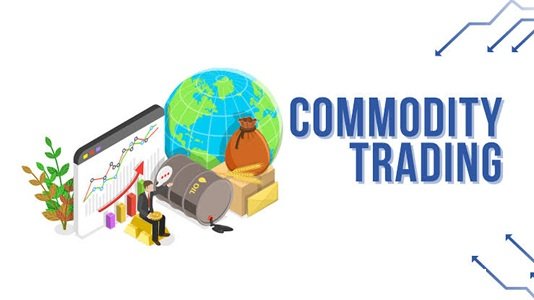
What Is Commodity Trading?
Commodity trading involves contracts linked to goods such as gold, silver, crude oil, natural gas, copper and agricultural products. In India, traders access commodity derivatives through recognised exchanges and brokers. Futures set terms for a future transaction, while options provide rights or obligations according to the contract.
A trader may buy gold futures expecting a rise or sell crude oil futures expecting a decline. Positions are often closed or rolled over before delivery, but rules depend on the contract. Prices respond to supply, demand, inventories, production, weather, global events, currencies and economic policy.
Advantages of Commodity Trading
1. Provides Access to Markets Beyond Shares
Commodity trading gives access to assets that do not depend only on company earnings. Gold, energy, metals and agricultural products respond to different forces. This gives traders another area to study when equity markets are quiet. Every commodity, however, has its own behaviour and risks.
2. Creates Opportunities From Global Events
Commodity prices can react to interest rates, currencies, supply disruptions, geopolitical tensions, weather and industrial demand. A trader who understands these relationships may find opportunities during a trend or sudden repricing. The same event can create losses if the market response differs from expectations.
3. Useful for Hedging Price Risk
Commodity derivatives are not only for speculation. Producers, manufacturers, importers and other businesses may use them to reduce the effect of changing prices. A jewellery business may fear rising gold prices, while an airline may watch fuel costs. A hedge does not remove every risk, but can make costs more predictable.
4. Leverage Can Improve Capital Efficiency
Futures and some commodity contracts require margin instead of the full underlying value. This allows a trader to control larger exposure with less initial capital. A favourable move can create an attractive percentage return on margin. Leverage also magnifies losses, so margin is not the maximum amount at risk.
5. Offers Both Buying and Selling Opportunities
Traders may look for long opportunities when prices appear likely to rise and short opportunities when a decline is expected, subject to contract rules. This allows them to study demand and oversupply. It also requires careful timing because a short position can suffer during a sudden rally.
Disadvantages of Commodity Trading
1. Prices Can Be Extremely Volatile
Crude oil, natural gas and agricultural commodities can move sharply after a supply disruption, weather warning or political announcement. Gold and metals may react quickly to interest rates and the dollar. Large swings create opportunity, but can turn a small mistake into a substantial loss.
2. Leverage Magnifies Losses
A trader may deposit margin, but profit or loss is linked to the larger contract exposure. If the market moves against the position, the loss can consume margin quickly. The broker may ask for additional funds or reduce the position. Trading with household money is especially dangerous.
3. Expiry and Rollover Require Attention
Commodity contracts have expiry dates. A trader who wants to remain exposed normally closes the current contract and opens a later one, known as rollover. Contracts may differ in price and liquidity. Ignoring expiry can create charges, settlement obligations or an unwanted position change.
4. Global Markets Can Affect Local Prices
Indian commodity prices can respond to international benchmarks, currencies and events that occur while the domestic trader is away. A market may open at a different level after an overnight development. Stop-loss orders manage risk but cannot guarantee the exact planned price during a fast move or gap.
5. Contract and Delivery Rules Can Be Complex
Every contract has specifications covering lot size, quotation, tick value, expiry, margin and settlement. Some may involve delivery procedures if positions remain open. Retail traders generally close before this stage, but must still read broker and exchange conditions. Assuming all commodities follow the same rules can be costly.
6. Costs, Monitoring and Stress Can Be High
Brokerage, exchange charges, taxes, spreads and rollover costs reduce returns. Commodity markets also require attention to inventory data, weather reports, global calendars and overnight news. Fast prices can create emotional pressure and overtrading. A written plan and daily loss limit are important safeguards.
Who Should Consider Commodity Trading?
Commodity trading may suit people who understand futures, margin, contract size, expiry and stop-loss orders. They should follow global news and accept rapid price movements. Beginners should learn one commodity, study its specifications and practise without real money. It may not suit anyone seeking fixed income or using household funds.
Final Thoughts
Commodity trading connects financial markets with energy, metals, agriculture and global commerce. Its advantages include event-driven opportunities, hedging and capital efficiency. Its disadvantages include volatility, leverage, expiry risk and complex rules. Understand the commodity, calculate full exposure, control position size and protect essential funds. This article is for educational purposes only and is not investment, trading or tax advice.
Frequently Asked Questions
Q1. Do commodity traders have to take physical delivery of the commodity?
Not usually. Many retail traders close or roll over before the delivery-related stage, but the procedure depends on the contract. Anyone holding a position near expiry should read exchange and broker rules. Never assume an open contract will automatically be settled in cash.
Q2. Why can the same commodity have different prices for different expiry months?
Different expiry prices can reflect storage, interest, expected supply and demand, insurance, transport and time remaining. The difference is not automatically a trading opportunity. Liquidity and rollover costs must also be considered.
Q3. What does rolling over a commodity position mean?
Rollover means closing a position in the current contract and opening a similar position in a later expiry. Traders do this when they want to continue following a commodity. The new contract may have a different price, spread and liquidity, so rollover is not cost-free.
Q4. Why does a commodity price move when the Indian market is closed?
Many commodities are influenced by international markets across different time zones. News about supply, global growth, interest rates, currencies or geopolitics can change expectations before the Indian session begins. The domestic contract may open at a different price from its previous close.