Starting a franchise business is an attractive option for entrepreneurs who want to enter the market with an established brand and a proven business model. In India, food and retail franchises are two popular opportunities because of growing consumer demand, urbanisation and changing shopping habits. However, choosing between them requires careful consideration of investment, operating expenses, profitability, customer demand and business risks.
A food franchise generally involves selling prepared food, beverages or snacks under an established brand, while a retail franchise focuses on selling products such as clothing, electronics, groceries, footwear or personal care items. Both models can generate revenue, but their operating requirements and growth opportunities are different.
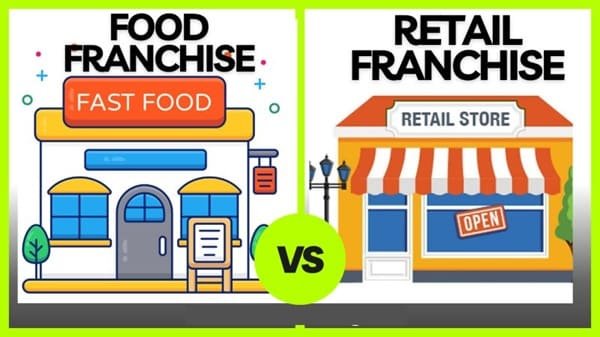
Understanding the advantages and disadvantages of each model can help first-time entrepreneurs decide which franchise offers better opportunities in the Indian market.
What Is a Food Franchise?
A food franchise is a business arrangement in which an entrepreneur operates a restaurant, café, food outlet or delivery business using an established food brand’s name and business model.
The franchisor generally provides branding, menu specifications, operating procedures, training and marketing support. The franchisee manages daily operations according to the franchise agreement.
Examples of food franchise categories in India include:
- Fast-food restaurants
- Pizza and burger outlets
- Tea and coffee cafés
- Ice cream parlours
- Bakery and dessert shops
- Quick-service restaurants
- Food delivery and takeaway outlets
Food franchises attract customers through brand recognition, product consistency, convenient locations and familiar menus.
What Is a Retail Franchise?
A retail franchise involves selling products to customers under an established brand or retail business model. The franchisee operates a physical store or, in some cases, an authorised sales outlet.
Retail franchises cover several product categories, including:
- Clothing and fashion
- Footwear and accessories
- Grocery and supermarkets
- Mobile phones and electronics
- Beauty and personal care
- Furniture and home products
- Educational products and stationery
Retail franchises generally focus on inventory management, product selection, customer service, store presentation and sales performance.
Unlike food businesses, most retail franchises do not require daily food preparation or kitchen operations. However, they may involve substantial investment in inventory and store infrastructure.
Food Franchise vs Retail Franchise: Key Differences
| Basis | Food Franchise | Retail Franchise |
| Main activity | Selling prepared food and beverages | Selling products |
| Investment | Depends on kitchen, equipment and location | Depends on inventory and store size |
| Daily operations | Food preparation and service | Stock management and sales |
| Inventory | Ingredients and packaging | Finished products |
| Staff requirements | Kitchen and service employees | Sales and store employees |
| Wastage risk | Perishable food and ingredients | Unsold, damaged or outdated stock |
| Customer visits | May involve frequent repeat purchases | Depends on product category |
| Operating hours | Often includes meal-time and evening demand | Usually follows retail shopping hours |
| Main risks | Food safety, quality and wastage | Inventory, fashion trends and competition |
The actual costs and operational requirements depend on the franchise brand, location and business model.
Initial Investment and Setup Costs
Investment is an important factor when comparing food and retail franchises.
A food franchise may require capital for kitchen equipment, refrigeration, cooking appliances, furniture, interiors, ventilation, packaging and food storage facilities. Additional expenses may include staff training, food licences, rent and initial raw materials.
For example, opening a branded café may require investment in coffee machines, refrigerators, furniture, counters and other equipment.
A retail franchise generally requires investment in shop interiors, display units, billing systems, security equipment, initial inventory and rent. Some retail categories, particularly clothing, electronics and furniture, may require substantial stock investment.
Which is better? A small takeaway food outlet or compact retail store may require relatively limited investment. However, neither category is automatically cheaper. Entrepreneurs should compare the total setup cost, working capital requirements and recurring franchise fees before choosing.
Profit Margins and Revenue Potential
Food franchises can generate revenue through repeat purchases, takeaway orders, dine-in customers and online delivery platforms. Popular food products may attract regular demand, particularly in locations with high customer traffic.
However, food businesses also face significant operating expenses, including ingredients, packaging, employee salaries, electricity, delivery commissions and rent. Food wastage can further reduce profitability.
Retail franchises generate revenue by selling products at prices higher than their purchase or supply costs. Profitability depends on product margins, inventory turnover, supplier arrangements, discounts and customer demand.
For example, a clothing franchise may earn attractive margins on selected products but experience losses if seasonal inventory remains unsold.
Therefore, food franchises may benefit from frequent customer purchases, while retail franchises can generate higher-value transactions depending on the product category.
Location and Customer Demand
Location plays an important role in the success of both franchise models.
Food franchises generally perform well in areas with strong footfall, such as shopping centres, office districts, educational institutions, residential neighbourhoods and transport hubs.
Retail franchises also benefit from high-footfall locations, including shopping malls, commercial markets, high streets and residential areas. However, certain retail categories can also operate successfully in smaller neighbourhood markets.
Before selecting a location, entrepreneurs should evaluate customer demographics, local competition, accessibility, rental costs and purchasing behaviour.
A food outlet near offices may attract lunch customers, while a clothing store may perform better in a busy shopping market.
Operational Challenges and Business Risks
Food franchises require daily attention to food quality, hygiene, ingredient sourcing, preparation standards and customer service. Food safety violations, inconsistent taste and poor service can damage the brand’s reputation.
Food businesses must also consider applicable FSSAI registration or licensing requirements and local permissions.
Retail franchises face challenges involving inventory management, product returns, changing consumer preferences, theft, damaged goods and unsold stock.
For example, a fashion retailer may need to update its inventory according to seasonal trends, while an electronics retailer must manage changing product specifications and technology.
Both models require proper financial management, employee training and compliance with franchise operating standards.
Marketing and Brand Recognition
An established food franchise may benefit from customers who already recognise its menu, products and brand identity. National advertising, promotional offers and online food delivery platforms can help attract customers.
Retail franchises may benefit from brand recognition, product catalogues, seasonal campaigns and promotional discounts.
However, franchisees should understand their marketing responsibilities. Some franchisors charge separate advertising contributions or require franchisees to follow specific promotional policies.
Local marketing through social media, customer loyalty programmes and community promotions can also help improve sales.
Which Is Better for First-Time Entrepreneurs in India?
A food franchise may be suitable if you:
- Understand food service and customer preferences.
- Can manage daily kitchen and service operations.
- Have access to a suitable commercial location.
- Can maintain food safety and quality standards.
- Are comfortable managing perishable inventory.
A retail franchise may be suitable if you:
- Prefer selling products rather than preparing food.
- Have skills in sales and customer management.
- Can manage inventory and supplier relationships.
- Understand the target product category.
- Want to operate a store with structured retail processes.
For example, an entrepreneur interested in hospitality may prefer a tea café or quick-service restaurant. Someone with experience in fashion or electronics sales may find a retail franchise more suitable.
Conclusion
Both food and retail franchises offer promising opportunities in India, but their suitability depends on the entrepreneur’s investment capacity, experience, location and management skills.
A food franchise can benefit from repeat customer purchases, established menus and growing demand for convenient dining options. However, it requires continuous attention to food quality, hygiene, staffing and wastage.
A retail franchise offers opportunities across clothing, electronics, groceries and other product categories. It may involve fewer food-related operational challenges, but inventory management and changing customer preferences can affect profitability.
For first-time entrepreneurs, the better choice is not necessarily the franchise with the highest brand recognition. It is the one that matches their budget, local market demand and ability to manage daily operations successfully.
Frequently Asked Questions (FAQs)
Q. Is a food franchise more profitable than a retail franchise?
Not necessarily. Food franchises may benefit from repeat purchases, while retail franchises can generate revenue through higher-value product sales. Profitability depends on operating costs, location, customer demand and franchise terms.
Q. Which franchise requires less investment in India?
A small food kiosk or takeaway outlet may require less investment than a large retail store. However, a small retail outlet may also be more affordable than a full-service restaurant. The actual cost depends on the brand and business model.
Q. Do food franchises require FSSAI registration?
Food businesses generally need the appropriate FSSAI registration or licence depending on their nature, scale and turnover, along with other applicable permissions.
Q. Can I operate a food franchise from a small shop?
Yes. Some brands offer compact formats such as kiosks, takeaway counters and cloud kitchens, subject to their franchise requirements and applicable local regulations.
Q. Is a retail franchise easier to manage than a food franchise?
Retail franchises generally avoid food preparation and food safety operations. However, they require effective inventory control, sales management and customer service. The difficulty depends on the product category and store size.
Q. What should I check before investing in a franchise?
Review the initial investment, recurring royalties, franchise agreement, expected operating expenses, location requirements, training support, supplier arrangements, renewal terms and exit conditions before making a decision.