Flowers in India are not just decorative products. They are deeply connected to religion, weddings, festivals, celebrations, hospitality, gifting, emotions, and everyday cultural traditions.
From temple offerings and marriage decorations to luxury events, bouquets, hotel décor, and online gifting, flowers remain part of daily life across the country.
A few decades ago, flower businesses were mostly local market activities where farmers and vendors sold loose flowers in traditional mandis. Today, the industry has changed enormously.
Online flower delivery, premium event decoration, imported flowers, floral gifting, Instagram weddings, luxury décor, and corporate events have transformed flowers into a major lifestyle and event-driven business category.
At the same time, India’s wedding industry, hospitality sector, spiritual tourism, and gifting culture continue growing rapidly, creating massive demand for flowers throughout the year.
This has transformed flower businesses into one of India’s strongest agriculture-meets-lifestyle business opportunities.
Unlike many retail products that depend heavily on changing technology trends, flowers continue benefiting from emotional and cultural demand across all income levels.
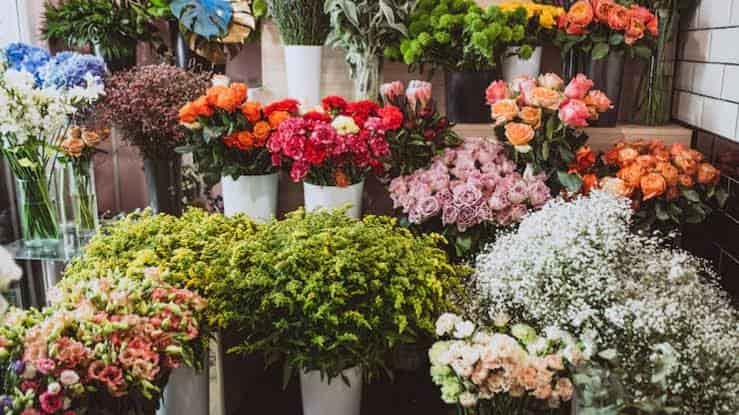
A Business Connected to Festivals, Weddings, and Daily Rituals
India’s floral market continues expanding steadily every year.
Several factors continue driving flower demand:
- Large wedding industry
- Religious and temple usage
- Growth of event management sector
- Expansion of online gifting
- Luxury hotel and décor demand
- Rising lifestyle spending
Flowers remain part of both traditional rituals and modern celebrations.
Types of Flower Businesses
1. Loose Flower Trading
Selling marigold, jasmine, rose, and temple flowers.
2. Florist and Bouquet Shop
Customized bouquets and gifting arrangements.
3. Wedding and Event Flower Decoration
Large-scale floral décor for events and ceremonies.
4. Flower Farming Business
Cultivating flowers commercially for wholesale supply.
5. Online Flower Delivery Business
Website and app-based flower gifting services.
6. Imported and Luxury Flower Business
Premium roses, tulips, orchids, and exotic floral products.
Investment Required: Low to Moderate
Flower businesses are flexible depending on scale and model.
A small florist shop may require ₹1–5 lakh including:
- Refrigeration and storage
- Flower inventory
- Decoration materials
- Packaging and branding
- Delivery setup
A large wedding-decoration or flower-export business may require ₹20 lakh–₹10 crore or more depending on operations.
Freshness management and sourcing quality are extremely important.
Revenue and Profit Potential
Flower businesses can become highly profitable because flowers often carry strong emotional buying behavior and premium event demand.
Revenue sources may include:
- Daily retail flower sales
- Bouquet and gifting orders
- Wedding decoration contracts
- Religious and temple supply
- Corporate event décor
- Online flower delivery services
For example:
- Wedding decoration projects often generate very high revenue.
- Premium bouquets carry strong margins.
- Festival seasons increase flower demand dramatically.
A well-managed flower business can generate strong daily cash flow. Net profit margins generally range between 15–45% depending on sourcing efficiency, wastage control, and event contracts.
Businesses involved in weddings and premium floral decoration often perform especially well.
What Makes This Business Successful
1. Freshness and Quality
Flowers lose value quickly if not handled properly.
2. Strong Supplier Network
Reliable sourcing is extremely important.
3. Creative Floral Design Skills
Presentation strongly affects premium pricing.
4. Fast Delivery and Timing
Flowers are highly time-sensitive products.
5. Festival and Event Planning
Demand spikes during celebrations and wedding seasons.
Challenges to Prepare For
1. Perishable Inventory
Unsold flowers can spoil very quickly.
2. Seasonal Price Fluctuations
Flower costs can vary heavily during festivals and weddings.
3. Transportation Sensitivity
Flowers require careful handling during logistics.
4. Weather Dependency
Flower farming and supply can be affected by climate conditions.
5. High Competition
Local flower markets are often crowded.
Flower businesses that control wastage efficiently and build strong event relationships usually survive competition much better long term.
How to Increase Profitability
1. Focus on Wedding and Event Decoration
Large events often provide premium margins.
2. Add Online Delivery Services
Convenience strongly improves urban sales.
3. Use Instagram and Social Media Marketing
Floral visuals perform extremely well online.
4. Offer Subscription Flower Services
Hotels, offices, and temples create recurring demand.
5. Expand Into Premium and Exotic Flowers
Luxury customers often spend heavily on imported flowers.
Flower Business vs Gift Shop Business
Gift shops mainly sell products like cards, toys, and decorative items. Flower businesses focus more on freshness, emotional gifting, event decoration, and recurring cultural demand.
This creates stronger seasonal and emotional sales opportunities.
However, perishability and inventory management become much more important challenges.
The Future of Flower Business in India
The future remains extremely strong. India’s wedding industry, online gifting culture, religious tourism, and luxury event market continue growing rapidly.
At the same time, premium bouquet culture, destination weddings, and social-media-driven event decoration are increasing demand for creative floral businesses.
Imported flowers, sustainable floral décor, and personalized gifting are also likely to create fresh opportunities in coming years.
The Verdict
Flower businesses are no longer limited to small roadside stalls selling loose garlands. They have evolved into modern lifestyle, gifting, and event-management businesses connected closely to weddings, spirituality, celebrations, hospitality, and social culture.
Entrepreneurs who maintain freshness, strong sourcing networks, creative presentation, and reliable customer service often build highly profitable businesses with strong repeat demand.
In a country where flowers remain deeply connected to emotions, festivals, religion, and celebrations while luxury event spending continues growing rapidly, the flower business is likely to remain one of India’s strongest long-term lifestyle and cultural business opportunities.
Frequently Asked Questions (FAQs)
Q1. Which flower business segment is usually most profitable?
Wedding decoration, premium bouquets, and corporate floral-event services often provide the strongest margins.
Q2. Why is flower demand so stable in India?
Because flowers are connected to religion, weddings, festivals, gifting, and daily cultural traditions.
Q3. Is freshness the biggest factor in flower business?
Absolutely. Freshness and timely delivery directly affect customer satisfaction and profitability.
Q4. What is the biggest challenge in flower business?
Managing perishability and reducing flower wastage are major challenges.
Q5. Can small florist shops compete against online flower companies?
Yes. Many local florists succeed through creativity, quick delivery, and strong local customer relationships.
Q6. Is social media useful for flower businesses?
Very useful. Floral decorations, bouquets, and wedding setups attract strong visual engagement online.