Selling fish is a common livelihood and retail business across India, from small neighbourhood markets to organised seafood stores and online delivery businesses. But a fish shop is not treated like an ordinary non-food retail outlet. Fish is highly perishable, so the seller has to follow food-safety requirements as well as the local rules that apply to the shop premises.
A fish shop is legal in India, provided the business has the required FSSAI registration or licence and follows the rules applicable in its area. Selling fresh, frozen, cleaned or cut fish is a food business, which means safe handling, storage, hygiene and waste disposal are important parts of compliance. The exact requirements depend on the size and turnover of the business, its location and whether it only sells fish or also processes, packs, freezes, stores or delivers it.
Local authorities may also require a trade licence, market permission or other approval for the premises. These requirements are not identical across India, so the owner should check the rules of the municipal body, panchayat or market authority concerned before opening the shop.
FSSAI Registration or Licence for a Fish Shop
A fish shop is specifically treated as a retail food business under FSSAI’s eligibility framework. The category depends mainly on annual turnover under the revised rules effective from 1 April 2026:
- Annual turnover up to ₹1.5 crore: FSSAI Registration
- Annual turnover above ₹1.5 crore and up to ₹50 crore: State FSSAI Licence
- Annual turnover above ₹50 crore: Central FSSAI Licence
This is an important change for 2026 because many older articles still refer to the previous ₹12 lakh limit. A business should use the current eligibility criteria while applying through the FoSCoS system.
Other Permissions That May Be Required
FSSAI approval is the main food-safety requirement, but it may not be the only compliance needed. Depending on the city and the way the business is operated, a fish shop may also need:
- Municipal or trade licence: Local bodies may require permission to run a retail food shop from particular premises.
- Shop and Establishment registration: This may apply under the law of the relevant state, especially where employees work at the shop.
- Market permission: A shop located inside a municipal fish market, wholesale market or regulated market may have to follow the rules of that market authority.
- GST registration: This becomes relevant when the business meets the conditions prescribed under GST law. It should not be treated as automatically compulsory for every small fish seller.
The owner should check the requirements of the local municipal body before taking a shop on rent or starting operations.
Food Safety and Hygiene Rules
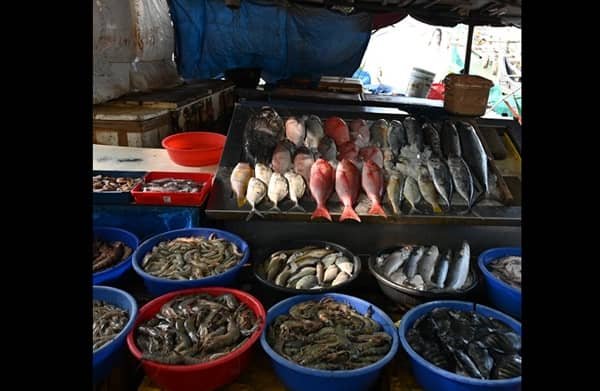
Hygiene is especially important in a fish shop because fresh fish can spoil quickly if it is handled or stored badly. The premises should be arranged so that fish remains protected from contamination from purchase to sale.
A well-managed fish shop should focus on the following:
- Use clean water and clean ice wherever they come in contact with fish.
- Keep cutting boards, knives, counters, trays and weighing equipment clean.
- Maintain suitable chilled or frozen storage for products that require temperature control.
- Prevent flies, insects, rodents and other sources of contamination.
- Provide proper drainage so waste water does not collect around the cutting or selling area.
- Remove fish waste regularly and dispose of it in the manner required by the local authority.
- Keep the premises, workers’ hands and protective clothing clean.
- Separate spoiled or unfit fish from products intended for sale.
A licence alone does not make the business compliant. Food-safety obligations continue while the shop is operating.
Can a Fish Shop Clean and Cut Fish for Customers?
A retail fish shop can generally clean and cut fish for customers as part of normal retail activity, but the work must be carried out hygienically. The cutting area, equipment, water supply and waste handling become more important when fish is dressed or portioned on the premises.
If the business moves beyond normal retail preparation into larger-scale processing, packaging, manufacturing, cold storage or distribution, its FSSAI category and other approvals may need to be reconsidered.
Can a Fish Shop Be Opened in a Residential Area?
There is no single nationwide rule allowing every fish shop to operate from every residential property. Whether a particular premises can be used depends on local land-use rules, municipal regulations, the terms of the property and, in some cases, housing-society or market restrictions.
Odour, waste, drainage and sanitation are common concerns with fish shops. Before renting or converting a residential property, the owner should confirm that commercial food retail is permitted at that location.
What Happens If a Fish Shop Operates Without Required Permission?
Running a food business without the required FSSAI registration or licence can lead to action under food-safety law. Local authorities may separately act where a shop operates without mandatory municipal permission or violates sanitation, waste-disposal or land-use rules.
Depending on the violation, consequences can include notices, monetary penalties, suspension or cancellation of food registration or licence, seizure of unsafe food, closure directions or other proceedings allowed by law. The seriousness of the action depends on the nature of the breach.
How to Start a Fish Shop Legally in India
A new owner can follow a simple compliance sequence:
- Choose premises where retail food activity is permitted.
- Decide whether the shop will sell only fresh fish or also frozen, packed or processed products.
- Apply for the appropriate FSSAI registration or licence according to the current eligibility criteria.
- Check whether the municipal body requires a trade licence or local health permission.
- Complete Shop and Establishment or other state-level registration if applicable.
- Install proper water, drainage, waste-disposal and cold-storage arrangements.
- Buy fish from reliable and lawful suppliers and maintain basic purchase records.
- Keep the premises hygienic and continue complying with food-safety requirements after opening.
Conclusion
A fish shop is legal in India, but it must operate as a compliant food business rather than simply as an ordinary retail store. FSSAI registration or licensing is central, while municipal permission, state shop rules and location-specific requirements may also apply. Good hygiene, temperature control, drainage and waste disposal are equally important because fish is highly perishable. Checking the current FSSAI category and local municipal rules before opening the shop can prevent avoidable penalties and business disruption.
Frequently Asked Questions
Q. Does a small roadside fish seller need FSSAI registration?
A fish seller is part of the food-business framework. Small sellers should check the current FSSAI registration rules and, where applicable, the special provisions for street vendors registered under the Street Vendors Act.
Q. Is a separate FSSAI licence needed for selling frozen fish?
Not necessarily a separate licence merely because the fish is frozen. The correct FSSAI category depends on the nature and scale of the business. However, proper frozen storage and handling requirements must be followed.
Q. Can a fish shop sell through WhatsApp or home delivery?
A physical fish shop can take orders and arrange local delivery, but it must continue to comply with its food-safety obligations. A business operating as an e-commerce food business may fall under additional FSSAI requirements, so the exact business model matters.
Q. Can fish be sold from home in India?
Selling fish from home is not automatically permitted simply because the business is small. Food registration requirements still apply, and the owner must also check whether local land-use, municipal and residential-property rules allow commercial food activity from that premises.