Cigarettes and many other tobacco products are heavily regulated in India, but their retail sale is not completely banned. This creates an important distinction: a cigarette shop can be a lawful business, yet the way it sells, advertises and displays tobacco is subject to restrictions that do not apply to an ordinary convenience store.
The central law governing tobacco retail is the Cigarettes and Other Tobacco Products Act, 2003, commonly called COTPA. A retailer cannot sell tobacco to a person below 18 years of age, and tobacco products cannot be sold within 100 yards of an educational institution. Advertising, promotion and packaging are also regulated. E-cigarettes are different: their production, sale, distribution, storage and advertisement are prohibited under a separate 2019 law.
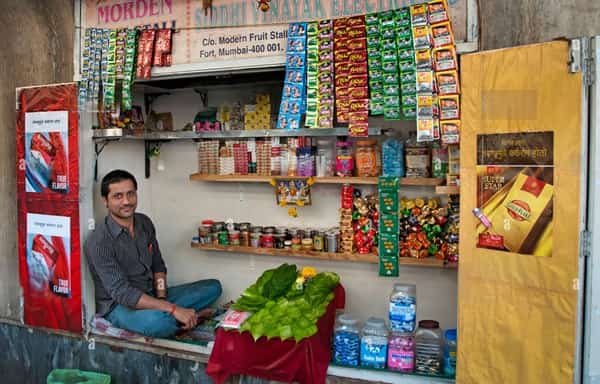
There is no single nationwide ‘cigarette shop licence’ created by COTPA for every retailer. However, normal local trade, shop and tax requirements may apply, and states or local bodies can impose additional restrictions. A legal tobacco outlet therefore has to comply with both national tobacco law and the rules governing its premises.
Main Rules a Cigarette Seller Must Follow
A retailer should understand the basic restrictions before opening a tobacco outlet. Under the national tobacco-control framework:
- Cigarettes and other tobacco products must not be sold to a person under 18 years of age.
- Tobacco products must not be sold within a radius of 100 yards of an educational institution.
- Tobacco advertising, promotion and sponsorship are restricted under COTPA and the rules made under it.
- Packages offered for sale must carry the health warnings required under Indian law.
- A retailer should not stock or sell products that are prohibited under another law merely because ordinary cigarettes are legal.
The 100-yard restriction is measured from the boundary of the educational institution under the applicable rules. A shop owner should therefore verify the location before signing a lease near a school or college.
Can Tobacco Be Sold to or by Minors?
The government’s National Tobacco Control Programme states that sale of tobacco products to and by minors below 18 years of age is prohibited. A shop should train staff to refuse a sale where the buyer appears underage and age cannot reasonably be established.
Using a minor as the person actually selling tobacco can also expose the business to action. This is not a rule that should be treated casually simply because the shop is small or family-run.
Restrictions Near Schools and Colleges
A cigarette or tobacco outlet cannot lawfully sell tobacco products within 100 yards of an educational institution. The restriction applies to schools, colleges and other recognised educational institutions covered by the rules.
A shop may sell other lawful goods from the premises, but the tobacco-sale restriction remains relevant because of the location. Local enforcement authorities can take action for violation of the rule.
Advertising and Display Need Special Care
Tobacco is not an ordinary consumer product for advertising purposes. COTPA restricts direct and indirect advertising, promotion and sponsorship. A retailer should therefore avoid banners, promotional schemes, brand-sponsored displays or other advertising that is not permitted under the rules.
Retail display practices have detailed legal requirements and can change through rules and court or government directions. A seller using branded boards or promotional material should check the current COTPA rules rather than assume that anything supplied by a tobacco company is lawful.
E-Cigarettes and Gutkha Are Different
A shopkeeper should not assume that every nicotine or tobacco product that customers ask for can be legally sold.
- Electronic cigarettes and similar devices are covered by the Prohibition of Electronic Cigarettes Act, 2019, which prohibits their production, manufacture, import, export, transport, sale, distribution, storage and advertisement.
- Food products containing tobacco or nicotine, such as gutkha, are prohibited under food-safety regulations. States may also have additional restrictions affecting particular chewing-tobacco products.
A legal cigarette business can therefore become unlawful if it stocks products that are separately prohibited.
Does a Cigarette Shop Need Other Registrations?
COTPA does not replace ordinary business compliance. Depending on the location and scale of the outlet, the shop may need a municipal trade licence, Shop and Establishment registration and GST registration when the applicable GST rules require it.
If the same store sells food items such as packaged snacks or beverages, FSSAI requirements may apply to that food activity. FSSAI is not obtained simply because cigarettes are sold; it applies because the outlet also deals in food.
Can Loose Cigarettes Be Sold?
There is no simple nationwide answer that should be applied to every state. Central tobacco law focuses heavily on packaging warnings and sale restrictions, while some states and local authorities have taken additional measures concerning loose or single-stick sales. A retailer should check the current rule in the state where the shop operates.
Even where single-stick sale has not been separately prohibited, the seller must still comply with age, location, advertising and other tobacco-control rules.
What Happens If a Cigarette Shop Breaks the Rules?
COTPA provides penalties for violations such as selling tobacco to minors or within the prohibited distance from educational institutions. Other violations involving advertising or prohibited products can lead to separate action under the relevant law.
A local body can also act if the shop itself lacks a required trade permission. Repeated or serious non-compliance can therefore affect both the tobacco activity and the continued operation of the premises.
How to Operate a Tobacco Outlet Legally
- Choose a location outside the prohibited 100-yard zone around educational institutions.
- Check municipal and state requirements for the shop premises.
- Do not sell tobacco to anyone below 18 years of age.
- Train employees on age and location restrictions.
- Stock only lawful tobacco products carrying the required package warnings.
- Do not sell e-cigarettes or other products prohibited by law.
- Avoid unlawful tobacco advertising or promotional displays.
- Check state-specific rules, especially for loose cigarettes and chewing-tobacco products.
Conclusion
A cigarette shop is legal in India, but tobacco retail is tightly controlled. The shop must respect the minimum-age rule, the 100-yard restriction around educational institutions, advertising limits and package-warning requirements. E-cigarettes and certain tobacco-containing food products are separately prohibited. Because states and municipalities can add further controls, a retailer should check local rules before choosing a location or deciding what products to stock.
Frequently Asked Questions
Q. Is a special central licence required only for selling cigarettes?
COTPA does not create one universal nationwide retail cigarette-shop licence. However, local trade and other business registrations may be required, and the seller must comply with COTPA restrictions.
Q. Can a cigarette shop operate next to a school?
It cannot sell tobacco products within 100 yards of an educational institution. The location should be checked before the tobacco business starts.
Q. Can a shop sell e-cigarettes along with normal cigarettes?
No. The 2019 law prohibits the sale and distribution of electronic cigarettes and also covers several related activities such as storage and advertisement.
Q. Does a cigarette shop need FSSAI registration?
Selling cigarettes alone does not create an FSSAI requirement because tobacco is not being regulated as ordinary food. If the same shop sells food or beverages, that food business can require FSSAI registration or licensing.