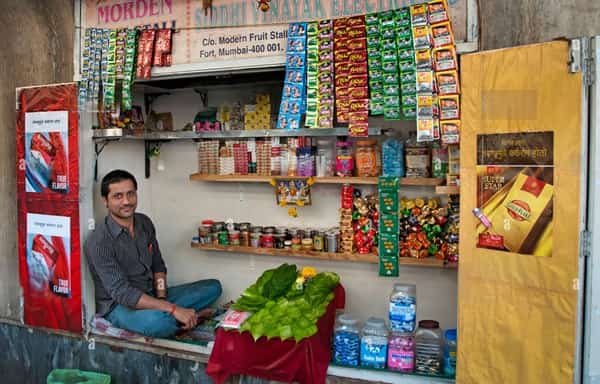
A neighbourhood grocery store can sell hundreds of items, but not every such shop is automatically required to obtain GST registration from the first day. GST registration is based mainly on the nature of supplies, aggregate turnover and certain compulsory-registration situations. This is why two grocery stores of similar size can have different GST obligations.
A grocery store can legally operate without GST registration when it is below the applicable registration threshold and does not fall into a category where registration is compulsory. A business dealing exclusively in goods generally gets a higher threshold than a service business. In most states the commonly applicable threshold for an exclusive supplier of goods is ₹40 lakh in aggregate annual turnover, while a ₹20 lakh limit applies in certain states and Union Territories. A store dealing exclusively in wholly exempt or non-taxable supplies may also be outside the registration requirement under Section 23 of the CGST Act.
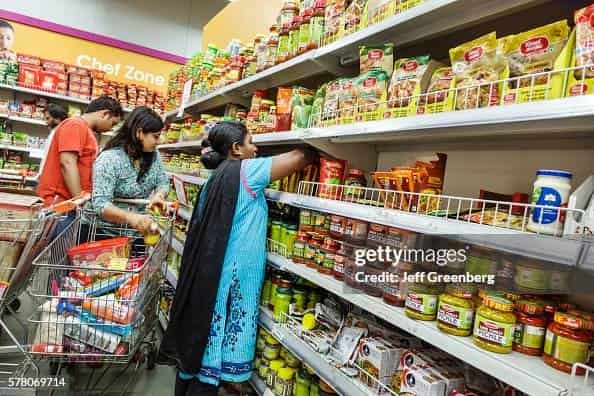
However, the owner should not look only at the sales figure printed in the shop’s accounts. GST uses ‘aggregate turnover’, and special rules can make registration necessary even below the normal threshold.
When GST Registration Is Normally Required
For a grocery business supplying goods, the normal threshold exemption depends on the state or Union Territory in which the business is registered. The widely applicable limits are:
- Up to ₹40 lakh aggregate turnover for exclusive suppliers of goods in most states, subject to the conditions of the exemption.
- Up to ₹20 lakh in the states and Union Territories for which the lower goods threshold applies.
The threshold should be checked for the store’s own state because GST registration is state-based and the statutory exemptions are subject to conditions. Once the applicable threshold is crossed, the business should apply within the period prescribed under GST law.
What Counts as Aggregate Turnover?
Aggregate turnover is broader than the sale of one particular taxable product. It generally covers the value of taxable supplies, exempt supplies, exports and inter-State supplies of persons having the same PAN on an all-India basis, while excluding GST itself and specified inward supplies on which tax is payable under reverse charge.
This means a shop owner should not calculate the limit by looking only at taxable groceries. Exempt sales can still form part of aggregate turnover for deciding whether the threshold has been crossed, even though no GST is charged on those exempt products.
A Grocery Store Selling Exempt and Taxable Goods
Grocery shops often sell a mixture of products. Some basic food items may be exempt or taxed differently, while packaged foods, household products, cosmetics or other goods may be taxable.
A shop does not become exempt from registration merely because a large part of its sales consists of exempt food. If it also makes taxable supplies, the owner has to consider total aggregate turnover and the rules that apply to the business. By contrast, a person engaged exclusively in supplies that are wholly exempt or not liable to GST is generally not required to register under Section 23.
Cases Where Threshold Alone Is Not Enough
GST law contains compulsory-registration provisions for specified situations. For example, certain inter-State taxable supplies and other activities listed under Section 24 can trigger registration regardless of the normal turnover threshold, although notifications create exemptions for some categories.
E-commerce rules also need special attention. The law has changed over time and certain unregistered suppliers of goods may now use e-commerce operators subject to prescribed conditions and enrolment requirements. A grocery store planning marketplace sales across locations should therefore check the current rule instead of relying on the old assumption that every e-commerce seller must always have GST registration.
Can an Unregistered Grocery Store Charge GST?
No. A shop that is not registered under GST should not collect GST from customers as though it were a registered taxpayer. It may issue its normal sale bill or cash memo, but it cannot present itself as charging CGST, SGST or IGST under a GSTIN it does not have.
Once registered, the store must follow the invoicing and return requirements applicable to its scheme and type of business.
Other Registrations a Grocery Store May Need
Not needing GST registration does not mean the store needs no other compliance. Depending on what it sells and where it operates, requirements may include:
- FSSAI registration or licence because groceries include food products.
- Municipal trade licence where required locally.
- Shop and Establishment registration under the applicable state law.
- Legal Metrology compliance for weighing instruments and packaged commodities where relevant.
These requirements arise under different laws and should not be confused with GST.
What Happens If GST Registration Was Required but Not Taken?
If a grocery business was legally liable to register but continued operating without registration, tax authorities can demand tax for the relevant period along with applicable interest and penalties. The business may also lose practical benefits associated with proper tax invoices and input-tax credit where those would otherwise be available.
Registering late does not automatically remove liability for the earlier period. Store owners should monitor turnover during the financial year rather than checking only after year-end.
How to Check Whether Your Grocery Store Needs GST Registration
- Identify the state in which the store is operating and confirm the applicable goods threshold.
- Calculate aggregate turnover using the GST definition, not only taxable sales.
- Check whether the store sells only exempt/non-taxable goods or a mix of exempt and taxable goods.
- Review whether any compulsory-registration provision applies to the business model.
- Check the latest rules before starting inter-State or e-commerce sales.
- Apply for GST registration promptly once the legal requirement arises.
- Do not collect GST from customers before the business is properly registered.
Conclusion
A grocery store is not automatically illegal merely because it does not have GST registration. Small stores can operate without GST registration when they remain within the applicable threshold and no compulsory-registration rule applies. The important point is to calculate aggregate turnover correctly and review the type of supplies the shop makes. GST is only one part of compliance; food, municipal and shop-related registrations may still be necessary even when GST registration is not.
Frequently Asked Questions
Q. Does every kirana shop need a GST number?
No. A kirana shop needs GST registration only when the applicable registration rules make it liable. Many small goods-only businesses can use the turnover exemption if all its conditions are satisfied.
Q. Do exempt grocery items count toward the GST turnover limit?
Exempt supplies generally form part of aggregate turnover for registration purposes, even though GST is not charged on those exempt supplies.
Q. Can a grocery shop voluntarily take GST registration below the threshold?
Yes. GST law permits voluntary registration. Once registered, the business must comply with the obligations that apply to a registered person.
Q. Does a grocery store without GST still need FSSAI?
Usually yes if it sells food. GST and FSSAI regulate different matters. A shop may be below the GST threshold but still be required to hold the appropriate FSSAI registration or licence.