A few decades ago, soap in India was mostly viewed as a basic daily-use product bought from local grocery shops and dominated by large FMCG companies. Consumers usually focused on affordability and familiar mass-market brands.
Today, the market has changed dramatically.
Natural skincare, chemical-free beauty products, Ayurveda, herbal ingredients, organic lifestyles, and self-care culture have transformed consumer preferences across India. Many people now actively search for handmade soaps made with ingredients like charcoal, goat milk, coffee, turmeric, aloe vera, neem, honey, lavender, and essential oils.
At the same time, Instagram beauty culture, gifting trends, eco-friendly packaging, and premium wellness spending have pushed handmade soap businesses into a fast-growing niche market.
This has transformed handmade soaps from small hobby products into one of India’s strongest low-investment beauty and wellness business opportunities.
Unlike large industrial soap manufacturing that depends heavily on mass production and huge distribution networks, handmade soap businesses often grow through branding, storytelling, natural ingredients, and direct customer relationships.
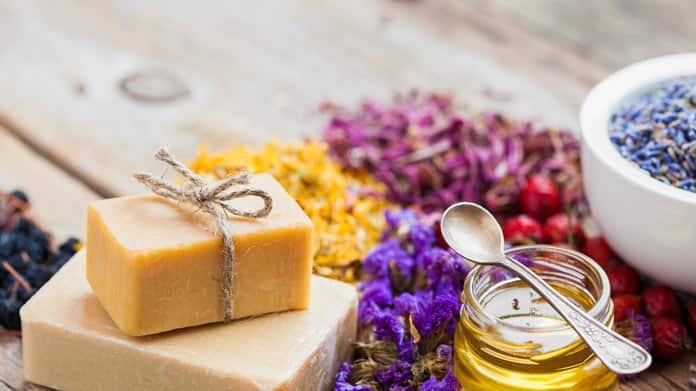
A Business Connected to Wellness and Natural Beauty Trends
India’s skincare and wellness market continues expanding rapidly every year.
Several factors continue driving handmade-soap demand:
- Rising awareness about chemical-free skincare
- Growth of Ayurveda and herbal products
- Increasing self-care and wellness culture
- Expansion of gifting and lifestyle products
- Demand for eco-friendly personal-care items
- Growth of Instagram and online beauty shopping
Consumers today increasingly prefer products that feel natural, artisanal, and personalized.
Types of Handmade Soap Businesses
1. Herbal and Ayurvedic Soap Business
Neem, turmeric, sandalwood, and herbal-based soaps.
2. Organic and Natural Soap Brand
Chemical-free and eco-friendly skincare products.
3. Luxury Handmade Soap Business
Premium fragrances and gift-focused products.
4. Goat Milk and Specialty Soap Business
High-end skincare-focused handmade soaps.
5. Online Handmade Soap Brand
Instagram, website, and marketplace-based business.
6. Customized and Gifting Soap Business
Wedding gifts, corporate gifting, and personalized products.
Investment Required: Very Low to Moderate
One major reason handmade-soap businesses attract entrepreneurs is the relatively low startup cost.
A small home-based soap business may require ₹50,000–₹3 lakh including:
- Soap molds and tools
- Raw materials and oils
- Packaging and labels
- Branding and social-media setup
- Safety equipment
A larger branded soap-manufacturing business may require ₹10 lakh–₹2 crore or more depending on automation and scale.
Creativity and branding often matter more than expensive infrastructure initially.
Revenue and Profit Potential
Handmade soap businesses can become highly profitable because natural skincare products often carry strong premium margins.
Revenue sources may include:
- Handmade soap sales
- Gift hampers and customized orders
- Organic skincare product expansion
- Online marketplace sales
- Subscription and repeat skincare customers
- Wholesale boutique-store supply
For example:
- Luxury handmade soaps often sell at several times their production cost.
- Attractive gifting packaging improves pricing significantly.
- Repeat skincare buyers create stable recurring demand.
A well-positioned handmade-soap brand can generate strong monthly revenue. Net profit margins generally range between 30–60% depending on branding, ingredient sourcing, and direct-to-consumer sales.
Businesses with strong storytelling and premium positioning often perform especially well.
What Makes This Business Successful
1. Product Quality and Skin Safety
Customers strongly value gentle and effective formulations.
2. Attractive Packaging and Branding
Presentation heavily influences skincare-product sales.
3. Unique Ingredients and Fragrances
Differentiation improves customer recall.
4. Strong Social Media Presence
Beauty and skincare products perform extremely well online.
5. Customer Trust and Reviews
Positive skincare experiences create repeat customers.
Challenges to Prepare For
1. Heavy Competition
Many small handmade-soap brands now exist online.
2. Building Brand Trust
Customers are cautious about skincare products.
3. Product Consistency
Handmade production can vary across batches.
4. Regulatory and Labeling Requirements
Cosmetic-product compliance is important.
5. Scaling Production
Growing beyond small-batch manufacturing can become difficult.
Soap brands that focus strongly on quality, authenticity, and customer experience usually survive long term much more successfully than generic copycat sellers.
How to Increase Profitability
1. Focus on Premium Natural Ingredients
Luxury and herbal positioning improves margins significantly.
2. Build Strong Instagram and Influencer Presence
Visual skincare content attracts customers rapidly.
3. Add Complementary Skincare Products
Scrubs, lip balms, body butters, and oils improve customer value.
4. Create Gift and Festival Collections
Premium packaging increases seasonal demand strongly.
5. Sell Directly Through Website and Social Media
Direct sales improve profitability compared to marketplaces.
Handmade Soap Business vs Mass-Market Soap Manufacturing
Large soap manufacturers compete mainly on pricing, distribution, and volume. Handmade-soap businesses focus more on premium skincare, natural ingredients, personalization, and emotional branding.
This creates stronger niche-brand opportunities.
However, customer trust and branding become much more important.
The Future of Handmade Soap Business in India
The future looks extremely promising. India’s skincare industry, wellness culture, organic-product demand, and premium beauty spending continue growing rapidly.
At the same time, younger consumers increasingly prefer natural products, sustainable packaging, and artisanal skincare brands instead of heavily chemical-based mass products.
Ayurvedic skincare, eco-friendly beauty products, and luxury wellness gifting are also likely to create major opportunities in coming years.
The Verdict
Handmade soaps are no longer limited to hobby products sold occasionally at local fairs. They have evolved into modern beauty-and-wellness brands connected closely to skincare awareness, self-care culture, organic living, and premium gifting.
Entrepreneurs who maintain high-quality ingredients, attractive branding, strong customer trust, and creative marketing often build highly profitable businesses with loyal repeat customers.
In a country where wellness awareness, skincare spending, and natural-product demand continue rising rapidly every year, handmade soap businesses are likely to remain one of India’s strongest low-investment lifestyle business opportunities.
Frequently Asked Questions (FAQs)
Q1. Which handmade-soap category is usually most profitable?
Luxury herbal soaps, goat milk soaps, charcoal soaps, and premium gift collections often provide stronger margins.
Q2. Why are handmade soaps becoming popular in India?
Because consumers increasingly prefer natural skincare and chemical-free beauty products.
Q3. Is Instagram important for handmade-soap businesses?
Extremely important. Skincare visuals and aesthetic packaging perform very strongly online.
Q4. What is the biggest challenge in handmade-soap business?
Building customer trust and standing out in a crowded market are major challenges.
Q5. Can small home-based soap brands succeed?
Absolutely. Many successful skincare brands started from small home-based setups with strong online branding.
Q6. Is gifting a major opportunity in this business?
Yes. Handmade soaps are increasingly popular for wedding gifts, festive hampers, and premium wellness gifting.