Marketing plays an important role in attracting customers, building brand awareness and increasing business sales. Whether a company operates a small retail shop, manufacturing unit, startup or large enterprise, an effective marketing strategy is essential for reaching the right audience. In India, businesses traditionally relied on newspapers, television, radio, banners and promotional events to advertise their products and services. However, the growing use of smartphones, social media and internet services has made digital marketing an important part of modern business promotion.
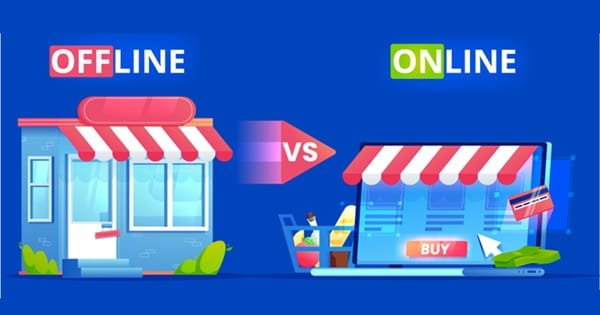
Digital marketing uses online platforms and technologies to promote products and services, while traditional marketing relies on offline channels such as print media, television, radio and outdoor advertising. Both approaches offer different advantages, costs and audience reach.
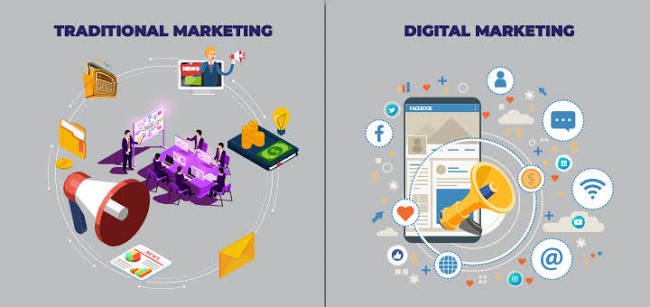
For Indian businesses, choosing between digital and traditional marketing depends on the target audience, business category, advertising budget and marketing objectives. Understanding their differences can help entrepreneurs select the right promotional strategy.
What Is Digital Marketing?
Digital marketing refers to promoting products, services or brands through internet-based platforms and digital technologies. Businesses use online channels to communicate with potential customers, generate leads and increase sales.
Digital marketing allows businesses to reach customers through smartphones, computers and other connected devices.
Common digital marketing methods include:
- Search Engine Optimisation (SEO)
- Social media marketing
- Search engine advertising
- Email marketing
- Content marketing
- Influencer marketing
- Video marketing
- Affiliate marketing
For example, a clothing business can promote its products through Instagram, run Google advertisements and sell through its own website or an online marketplace.
Digital marketing also provides performance data that helps businesses understand customer behaviour and evaluate campaign results.
What Is Traditional Marketing?
Traditional marketing refers to promotional activities carried out through offline advertising channels. It has been used by businesses for decades to create awareness and communicate with customers.
Traditional marketing methods include:
- Newspaper and magazine advertisements
- Television commercials
- Radio advertisements
- Billboards and banners
- Brochures and pamphlets
- Posters and flyers
- Direct mail campaigns
- Trade fairs and promotional events
For example, a supermarket may distribute promotional pamphlets in nearby residential areas to inform customers about discounts and special offers.
Traditional marketing can be particularly useful for reaching local audiences and customers who prefer offline communication.
Digital Marketing vs Traditional Marketing: Key Differences
| Basis | Digital Marketing | Traditional Marketing |
| Advertising channels | Websites, search engines and social media | Newspapers, television, radio and billboards |
| Audience reach | Local, national and international | Generally local, regional or national |
| Initial advertising cost | Can start with a relatively small budget | Some channels require substantial spending |
| Targeting | Can target audiences using digital data | Often targets broader audience groups |
| Performance tracking | Detailed campaign analytics | Measurement can be less immediate |
| Customer interaction | Direct online engagement | Generally limited or indirect |
| Campaign changes | Can often be modified quickly | Changes may require additional time and cost |
| Marketing lifespan | Depends on campaign and content visibility | Depends on advertisement placement and duration |
| Lead generation | Online forms, websites and messages | Calls, walk-ins and offline enquiries |
Marketing Cost and Budget Requirements
Marketing budget is an important consideration, especially for startups and small businesses.
Digital marketing allows businesses to begin promotion with relatively limited budgets. For example, a local service provider can create social media profiles, publish useful content and run targeted advertisements without investing in expensive television or newspaper campaigns.
However, digital marketing is not always inexpensive. Competitive keywords, paid advertising, professional content creation and influencer collaborations can require substantial spending.
Traditional marketing costs depend on the selected channel. Newspaper advertisements, television commercials, radio campaigns and large billboards can be expensive, particularly in major Indian cities. Local pamphlets, posters and small promotional events may be more affordable.
Which is better? Digital marketing generally offers greater flexibility for businesses with limited advertising budgets because campaigns can be started, tested and adjusted according to available funds.
Audience Reach and Customer Targeting
Digital marketing provides opportunities to reach customers across different locations. An Indian business can promote its products to customers in multiple states or even international markets through websites, social media and online advertising.
It also allows businesses to target audiences based on factors such as location, interests and online behaviour, depending on the platform’s advertising tools and privacy settings.
Traditional marketing is useful for reaching people within specific geographical areas. For example, a local restaurant can use banners, newspaper advertisements and pamphlets to attract nearby residents.
However, traditional advertising generally provides less precise audience targeting than many digital advertising platforms.
Customer Engagement and Brand Building
Digital marketing allows businesses to interact directly with customers through comments, messages, reviews, live sessions and online communities.
Brands can answer customer questions, share product demonstrations and collect feedback. This interaction can help businesses develop stronger customer relationships.
Traditional marketing mainly communicates information through advertisements. Although promotional events, exhibitions and in-store activities allow personal interaction, ongoing engagement may be more difficult to maintain.
For Indian businesses targeting younger, digitally active customers, social media and other online channels can be especially useful for brand building.
Performance Tracking and Marketing Results
One of the biggest advantages of digital marketing is the ability to measure campaign performance.
Businesses can analyse website traffic, advertisement clicks, enquiries, conversions and customer engagement. This information helps marketers identify which campaigns are performing well and where improvements are needed.
Traditional marketing results can be more difficult to measure accurately. Businesses may use customer surveys, promotional codes, enquiry records and sales comparisons to evaluate campaign effectiveness.
For example, a retailer distributing discount coupons through newspapers can track how many customers use those coupons. However, measuring the exact number of people who noticed the advertisement may be difficult.
Advantages and Limitations for Indian Businesses
Digital marketing offers flexibility, measurable performance and access to wider audiences. It is useful for e-commerce businesses, startups, educational institutions, professional services and brands targeting online customers.
However, it requires digital knowledge, regular content creation and competition management. Businesses also need to maintain website security, customer data protection and online reputation.
Traditional marketing can build local awareness and reach customers who may not actively use digital platforms. It is useful for retail stores, local events, real estate businesses and products targeting a broad regional audience.
Its limitations include higher costs for certain advertising channels, less precise targeting and comparatively difficult performance measurement.
Which Is Better for Indian Businesses?
Digital marketing may be a better choice if your business:
- Has a limited or flexible advertising budget.
- Wants to reach customers across different locations.
- Sells products or services online.
- Targets digitally active customers.
- Needs measurable marketing performance.
- Wants to generate enquiries through websites and social media.
Traditional marketing may be more suitable if your business:
- Targets customers in a specific locality.
- Operates a physical retail outlet.
- Wants to promote local events or offers.
- Serves customers who prefer offline communication.
- Needs strong visibility in a particular geographical area.
For many Indian businesses, combining both approaches can deliver better results. For example, a clothing store can use Instagram advertisements to attract online attention while displaying banners and distributing promotional material in its local market.
Conclusion
Digital marketing and traditional marketing both play valuable roles in business promotion. Digital marketing offers wider potential reach, flexible budgets, audience targeting and detailed performance tracking. Traditional marketing helps businesses build local awareness through familiar offline channels such as newspapers, television, radio and outdoor advertising.
For startups, small businesses and e-commerce brands, digital marketing is often a practical starting point because campaigns can be launched and adjusted according to available resources. However, businesses targeting local customers should not ignore traditional advertising.
Ultimately, the best marketing strategy depends on the target audience, business objectives, product category and available budget. Indian businesses can achieve stronger promotional results by selecting suitable channels and combining digital and traditional marketing wherever appropriate.
Frequently Asked Questions (FAQs)
Q. Is digital marketing better than traditional marketing in India?
Digital marketing is often more flexible, measurable and suitable for reaching online audiences. However, traditional marketing can be effective for local promotion and customers who prefer offline communication.
Q. Which marketing method is more affordable for small businesses?
Digital marketing can be more affordable because businesses can start with organic social media promotion and small advertising campaigns. However, actual costs depend on competition, marketing channels and campaign objectives.
Q. Can Indian businesses use digital and traditional marketing together?
Yes. Businesses can combine social media advertising, SEO and email marketing with newspaper advertisements, banners, brochures and promotional events to reach different customer groups.
Q. Which marketing strategy is better for local businesses?
A combination of both approaches can work well. Local businesses can use digital platforms to attract nearby customers while using banners, pamphlets and local promotions to increase visibility.
Q. How long does digital marketing take to show results?
Paid advertising can generate traffic and enquiries relatively quickly, while SEO and content marketing generally require consistent effort over time. Results depend on competition, website quality, budget and marketing strategy.
Q. Is traditional marketing still relevant in 2026?
Yes. Television, newspapers, radio, outdoor advertising and promotional events continue to serve useful purposes, particularly for businesses targeting local communities and audiences that respond well to offline advertising.