A dairy shop may look like a simple retail business, but legally it is also a food business. Milk, curd, paneer, butter, ghee, cheese and similar products are meant for human consumption and are regulated under India’s food-safety framework. This means a person cannot simply open a dairy outlet and ignore food registration because the shop is small or sells only locally.
A dairy shop in India should have the appropriate FSSAI registration or licence before starting or continuing business. This became especially important in 2026, when FSSAI issued a specific advisory directing milk vendors and most independent milk producers to obtain the required registration or licence. The exact category depends on the nature and scale of the business. A shop that merely retails packaged dairy products is different from a unit that manufactures paneer, curd or other milk products on the premises.
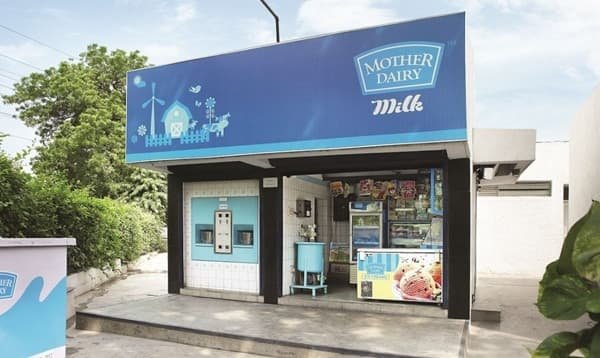
The practical rule is simple: selling milk or dairy products is legal, but doing it without the food registration or licence that applies to the business can invite enforcement action. Local municipal and shop-related permissions may also apply depending on the city and premises.
FSSAI Registration or Licence for a Dairy Shop
From 1 April 2026, FSSAI revised the turnover limits used for categorising food businesses. The current broad limits are:
- Annual turnover up to ₹1.5 crore: FSSAI Registration.
- Annual turnover above ₹1.5 crore and up to ₹50 crore: State FSSAI Licence.
- Annual turnover above ₹50 crore: Central FSSAI Licence.
These limits replaced the older turnover thresholds. FSSAI registration and licences issued under the 2026 framework also have perpetual validity unless they are suspended, cancelled or surrendered, although the business must continue to comply with hygiene and other legal requirements.
For a normal dairy retail shop, the retailer category may apply. If milk is processed, packed, manufactured or converted into products such as paneer, curd, khoa or flavoured milk, the correct manufacturing or dairy business category should be selected on FoSCoS rather than treating the activity as simple retail.
Why Milk Sellers Need to Be Careful in 2026
In March 2026, FSSAI specifically advised milk vendors and milk producers who are not covered by the stated dairy-cooperative exception to obtain FSSAI registration or a licence before commencing or continuing operations. Enforcement authorities were also asked to verify compliance and inspect milk chillers where relevant.
This matters because milk is highly perishable and can also be vulnerable to adulteration. A dairy seller should therefore treat FSSAI compliance as a basic requirement, not as an optional certificate to be obtained only when the business becomes large.
Other Permissions That May Apply
Food registration is central, but a dairy shop may also need local permissions. The exact list depends on the state, city and premises.
- Municipal or trade licence, where the local body requires one for the premises or activity.
- Shop and Establishment registration, where applicable under the relevant state law.
- GST registration when the business crosses the applicable GST threshold or falls under a compulsory-registration category.
- Legal Metrology compliance where weighing instruments or packaged commodities are used in a manner covered by those rules.
These should not be presented as automatically compulsory in every case. The owner should check the rules of the local municipal body and state before opening.
Food Safety and Hygiene Responsibilities
A dairy shop must do more than display an FSSAI number. Milk and milk products need proper storage, clean handling and protection from contamination.
- Keep milk and products that require refrigeration at suitable temperatures.
- Use clean, food-grade containers and utensils.
- Avoid mixing fresh stock with spoiled, expired or returned products.
- Maintain clean refrigerators, counters, floors and drains.
- Protect open products such as paneer or curd from dust, flies and handling contamination.
- Buy products from reliable suppliers and keep purchase records or invoices.
- Do not sell adulterated, misbranded or expired milk products.
If the shop prepares dairy products on site, the preparation area should also follow the applicable hygiene requirements for food processing.
Can a Dairy Shop Sell Loose Milk?
Selling loose milk is not automatically illegal. However, the seller remains a food business operator and must comply with the applicable FSSAI requirements. Clean storage, suitable containers, prevention of adulteration and temperature control become particularly important because the milk is not protected by sealed retail packaging.
A vendor who receives milk in bulk should also be able to show where the milk came from and should avoid practices that make the product unsafe or misleading to consumers.
What Can Happen If the Shop Has No Food Registration?
A dairy business operating without the required registration or licence can face action from food-safety authorities. Depending on the violation and the category of business, authorities may issue notices, stop unsafe operations, seize non-compliant food, initiate penalties or take prosecution action under the Food Safety and Standards Act.
Separate action can arise if the shop sells adulterated or unsafe milk, uses an unauthorised premises or violates local health and sanitation rules. Obtaining registration after a complaint does not erase earlier non-compliance.
How to Start a Dairy Shop Legally
- Choose premises where the intended retail food activity is permitted.
- Decide whether the business will only resell dairy products or will also manufacture, process or pack them.
- Apply through FoSCoS for the correct FSSAI registration or licence.
- Check municipal, Shop and Establishment and other local requirements.
- Install suitable refrigeration and clean storage facilities.
- Source milk and dairy products from reliable suppliers and maintain records.
- Set up a cleaning, pest-control and waste-disposal routine before opening.
- Display and use the FSSAI details as required and continue meeting food-safety standards.
Conclusion
A dairy shop is a lawful business in India, but it should not operate without the food registration or licence that applies to it. The 2026 FSSAI changes raised the registration turnover limit, but they did not remove the obligation to comply with food-safety law. A shop that retails milk and dairy products should obtain the correct FSSAI approval, maintain safe storage and hygiene, and check any local permissions required for its premises.
Frequently Asked Questions
Q. Does a very small milk shop need FSSAI registration?
Yes. Small size does not by itself remove food-safety compliance. A small food business falling within the current registration category should obtain FSSAI Registration unless a specific legal exception applies.
Q. Can a dairy shop make paneer or curd at the same premises?
It can, but manufacturing or processing changes the nature of the food business. The owner should select the correct FSSAI business category and meet the hygiene requirements for preparation and processing.
Q. Does an FSSAI registration now need yearly renewal?
Under the 2026 reforms, FSSAI registrations and licences have perpetual validity unless suspended, cancelled or surrendered. Ongoing compliance and applicable fees or other requirements still have to be met.
Q. Is a dairy cooperative member required to obtain separate registration?
FSSAI’s March 2026 advisory states an exception for a milk producer who is a registered member of a dairy cooperative society and supplies or sells the entire milk to that society. Other activities can change the position and should be checked separately.