Honey has been part of Indian households for centuries. It is used not only as a food product but also in Ayurveda, home remedies, religious rituals, beauty products, health drinks, and natural medicine traditions.
A few decades ago, most people bought honey mainly from local farmers or small village suppliers. Today, the market has changed dramatically.
Health-conscious consumers are increasingly replacing refined sugar with natural sweeteners. At the same time, fitness culture, Ayurveda popularity, organic-food demand, immunity awareness, and natural-product trends have pushed honey consumption to entirely new levels.
From raw forest honey and organic honey to flavored honey, premium monofloral honey, and honey-based wellness products, the industry is growing rapidly across both urban and online markets.
This has transformed honey into one of India’s strongest agriculture-based food and wellness business opportunities.
Unlike many processed food businesses, honey benefits from being viewed as both a natural food product and a health-support product.
A Business Connected to Health and Natural Living Trends
India’s natural-food and wellness market continues expanding steadily every year.
Several factors continue driving honey demand:
- Rising health awareness
- Growth of Ayurveda and herbal products
- Increasing fitness and wellness culture
- Demand for natural sweeteners
- Expansion of organic-food consumption
- Growth of online health-product shopping
Consumers today increasingly prefer natural and chemical-free food products.
Types of Honey Businesses
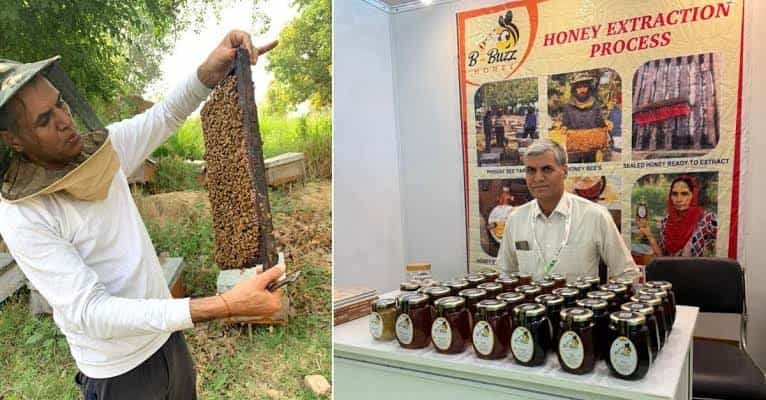
1. Beekeeping and Raw Honey Production
Producing honey directly through bee farming.
2. Branded Honey Packaging Business
Packaging and selling processed or raw honey under a brand.
3. Organic and Forest Honey Business
Premium honey targeting health-conscious customers.
4. Flavored and Specialty Honey Business
Tulsi honey, eucalyptus honey, jamun honey, and infused products.
5. Honey Wholesale Distribution
Bulk honey supply to retailers and food businesses.
6. Honey-Based Wellness Product Business
Honey combined with herbal and Ayurvedic products.
Investment Required: Low to Moderate
Honey businesses are flexible depending on production scale and branding model.
A small beekeeping setup may require ₹1–5 lakh including:
- Bee boxes and colonies
- Protective equipment
- Honey extraction tools
- Storage containers
- Packaging and branding
A large honey-processing and packaging plant may require ₹25 lakh–₹10 crore or more depending on automation and distribution scale.
Product purity and sourcing quality are extremely important.
Revenue and Profit Potential
Honey businesses can become highly profitable because premium natural products often carry strong margins.
Revenue sources may include:
- Raw honey sales
- Branded packaged honey
- Organic and specialty honey products
- Bee wax and by-product sales
- Ayurvedic and wellness-product partnerships
- Online direct-to-consumer sales
For example:
- Organic and monofloral honey often commands premium pricing.
- Online health-focused branding improves margins significantly.
- Bee wax and pollen create additional income streams.
A well-managed honey business can generate strong recurring revenue. Net profit margins generally range between 20–50% depending on sourcing, branding, and distribution.
Businesses with strong trust and premium positioning often perform especially well.
What Makes This Business Successful
1. Product Purity and Authenticity
Customers strongly value genuine honey quality.
2. Good Branding and Packaging
Health-product presentation heavily affects sales.
3. Reliable Bee Colony Management
Healthy bee populations directly affect production.
4. Strong Online and Retail Distribution
Visibility strongly improves scalability.
5. Consumer Trust
Fake honey concerns make credibility extremely important.
Challenges to Prepare For
1. Adulteration Competition
Fake and low-quality honey products affect market trust.
2. Weather and Environmental Dependency
Bee activity depends heavily on climate and flowering conditions.
3. Bee Colony Management
Maintaining healthy colonies requires knowledge and care.
4. Seasonal Production Variability
Honey yield changes across seasons.
5. Brand Trust Building
Consumers increasingly check purity and sourcing claims carefully.
Honey businesses that focus strongly on authenticity and transparency usually survive long term much more successfully than low-quality mass sellers.
How to Increase Profitability
1. Focus on Raw and Organic Honey
Premium natural products often provide stronger margins.
2. Build Strong Social Media and Health Branding
Health-focused content performs extremely well online.
3. Add Specialty Honey Products
Jamun, tulsi, mustard, and forest honey create differentiation.
4. Expand Into Ayurvedic and Wellness Market
Natural-health industries create strong demand.
5. Sell Directly Online
Direct-to-consumer sales improve profitability significantly.
Honey Business vs Sugar and Sweetener Business
Traditional sugar businesses mainly compete on pricing and volume. Honey businesses focus more on health, natural living, premium quality, and wellness positioning.
This creates stronger branding and premium-pricing opportunities.
However, authenticity and trust become much more important.
The Future of Honey Business in India
The future looks extremely strong. India’s wellness industry, organic-food market, Ayurveda culture, and health-conscious consumer behavior continue growing rapidly.
At the same time, natural sweeteners and immunity-focused products are increasingly replacing highly processed food ingredients among urban consumers.
Premium honey exports, eco-friendly beekeeping, and herbal wellness products are also likely to create major opportunities in coming years.
The Verdict
Honey is no longer viewed only as a traditional household ingredient used occasionally for home remedies. It has evolved into a modern health-and-wellness product connected closely to natural living, fitness culture, Ayurveda, and premium food consumption.
Entrepreneurs who maintain genuine product purity, strong branding, reliable sourcing, and customer trust often build highly profitable and scalable businesses with strong repeat demand.
In a country where health awareness, natural-food consumption, and wellness-focused lifestyles continue expanding rapidly every year, the honey business is likely to remain one of India’s strongest long-term agriculture and wellness business opportunities.
Frequently Asked Questions (FAQs)
Q1. Which honey category is usually most profitable?
Organic honey, raw forest honey, and specialty monofloral honey often provide the strongest margins.
Q2. Why is honey demand increasing rapidly in India?
Because consumers increasingly prefer natural sweeteners and health-focused food products.
Q3. Is product purity the biggest factor in honey business?
Absolutely. Customers strongly value genuine unadulterated honey and trustworthy sourcing.
Q4. What is the biggest challenge in honey business?
Building consumer trust and competing against adulterated low-quality products are major challenges.
Q5. Can small honey brands compete against large companies?
Yes. Many smaller brands succeed through authenticity, direct farm sourcing, and strong storytelling.
Q6. Is online selling important for honey businesses today?
Very important. Health-conscious consumers increasingly purchase honey and wellness products through online platforms and social media.